
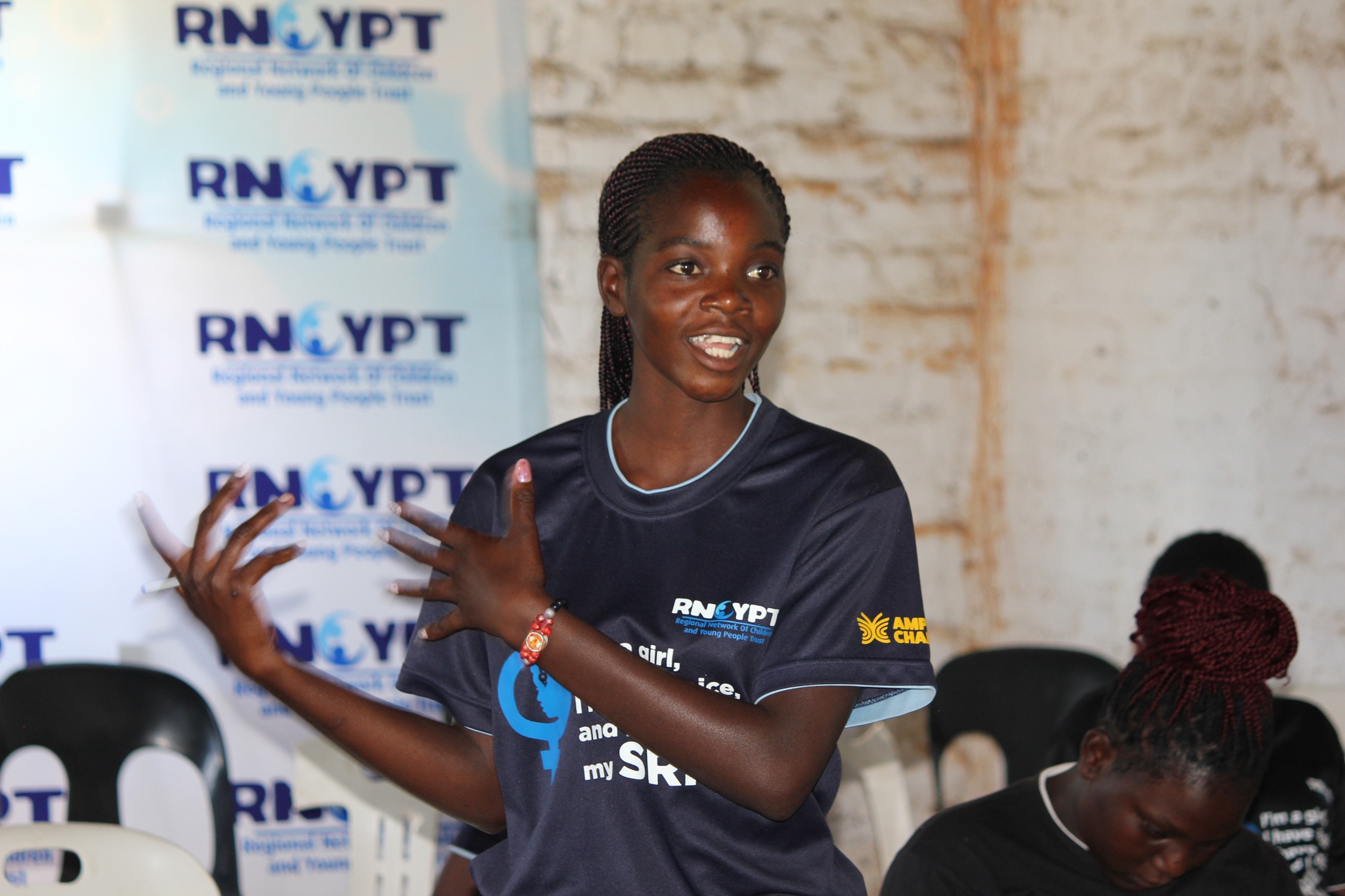
It is strange now to think there was a time some of us as AGYW could not even say certain words out loud.
Condoms.
STIs.
HIV.
Not because we did not know these things existed. We knew. We lived around them every day. But AGYW learn very early how to make themselves smaller. You lower your voice. You avoid difficult conversations. You pretend not to know things so adults will not think you are “spoilt.”
Sometimes silence becomes such a normal part of your life that you stop noticing it.
I think that is why this still feels unreal sometimes.
Because now us AGYW sit in meetings with councillors and parliamentarians asking questions people our age are usually expected to stay quiet about.
And the strange part is not even the meetings themselves.
It is realising that adults actually move when AGYW refuse to stay silent.
I remember sitting in one budget consultation thinking about how impossible that version of my life would have sounded two years ago. Ten of us were in that room talking about why AGYW avoid clinics, why confidentiality matters, why unfinished hospital renovations were affecting AGYW who already struggle to access healthcare. Nobody asked us to “wait outside while adults talk.” Nobody told us we were too young to understand.
They listened.
Not perfectly. Not magically. But enough for us to understand something important: AGYW do not need permission to speak about things affecting them.
That changes you.
The same thing happened around Menstrual Hygiene Day. We started writing messages about what AGYW actually experience during their periods. Not the polished version people put into campaigns. The real version. AGYW talking about hiding pads in sleeves. Missing customers at market stalls because public toilets are filthy. Leaving school early because there is nowhere private to change.
One girl wrote something about wishing for a toilet where she did not have to feel ashamed every month.
I still think about that sentence.
Because people talk about menstruation like it is a small issue until you watch how deeply it affects dignity. Income. Confidence. School attendance. The way girls move through public spaces.
And then suddenly councillors were discussing toilets in budget meetings.
That is the thing nobody tells you about advocacy. Sometimes the biggest shift is simply forcing people to look directly at something they have spent years comfortably ignoring.
The Hotseat Forum felt different.
There is no point pretending we were not nervous. Some of us were shaking while reading our notes. But at some point during the discussion, something shifted. One parliamentarian gave a long political answer about delayed health services and one girl stopped him halfway through and said, “That still does not explain why nothing changed.”
Even she looked surprised after saying it.
But nobody told her to stop talking.
That moment stayed with me because it captured how much we had changed. We were no longer entering rooms just grateful to be included. We were asking follow-up questions. Pushing back. Expecting accountability.
We had stopped seeing leadership as something that only belonged to important people sitting at the front of the room.
And honestly, some of the most important moments never happened in formal meetings at all.
They happened quietly.
Like hearing mothers speak differently to their daughters.
I remember one discussion where a mother was asked what she would do if she found emergency contraceptive pills in her daughter’s room. She paused for a long time before answering. Then she said, “I think before, I would have just shouted. But now I would want to understand why.”
Nothing dramatic happened after that. Nobody clapped. The session moved on.
But I remember thinking: this is how change actually happens.
Not always loudly.
Sometimes it starts with one person responding differently than they would have last year.
We have also watched girls come back after disappearing.
Girls who left school after pregnancy. Girls carrying shame so heavily you could see it before they even entered the room. One girl stood outside for nearly twenty minutes before finally coming in because she thought everyone would judge her.
Nobody did.
And once AGYW realise they can still belong somewhere after everything they have been through, something softens in them. They begin speaking again. Laughing again. Planning again.
That matters more than people think.
Sometimes people look at programmes like this and focus only on activities. Meetings. Dialogues. Trainings. But that is not the real story.
The real story is what happens when AGYW stop seeing themselves as people who should remain silent.
It becomes harder to dismiss them after that.
Harder to shame them.
Harder to make decisions about their lives without them speaking back.
There are still AGYW who are afraid to go to clinics. Still adults who think AGYW should be seen and not heard. Still promises leaders make because they think AGYW will forget to follow up.
But we follow up now.
That is the difference.
We used to whisper.
Now we interrupt parliamentarians.
And honestly, I do not think we are going back.